
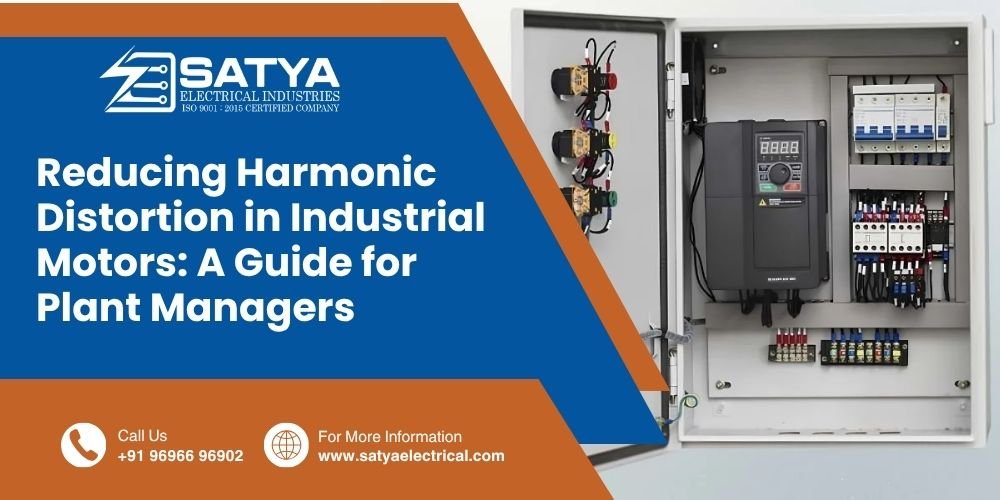
Variable Frequency Drives (VFDs) are the backbone of modern industrial automation, providing unmatched energy savings and precise speed control over heavy-duty induction motors. However, because VFDs convert AC power to DC and back to a synthesized AC voltage through pulse-width modulation (PWM), they act as non-linear loads.
This switching process introduces high-frequency electrical disturbances known as harmonic distortion into your electrical distribution grid. Left unchecked, harmonics generate excessive thermal stress, ruin insulation, cause premature equipment failure, and result in unexpected facility downtime.
The Cost of Harmonics: How Distortions Kill Machinery
When total harmonic distortion for voltage (THDu) or current (THDi) exceeds strict industry thresholds, the entire internal power distribution system suffers.
- Thermal Degradation in Motors: High-frequency harmonic currents increase eddy current losses and skin effects within the motor windings. This forces motors to run at significantly elevated temperatures, degrading stator insulation and shortening the machine’s lifespan by up to 50%.
- Nuisance Tripping in Switchgear: Harmonics cause unexpected peak currents that confuse sensitive protection relays. This triggers frustrating, false trips within your MCCB Panels or Feeder Section Panels, stalling assembly lines without a visible fault.
- Insulation Breakdown: Voltage spikes stemming from harmonic resonance can quickly punch through winding insulation, leading to catastrophic phase-to-phase short circuits.
Key Technical Indicators for Plant Infrastructure
| Parameter / Metric | Standard Clean Network | High Harmonic Distortion Risk |
| Total Harmonic Distortion (THDi) | Less than 5% | Greater than 12% (Requires Correction) |
| Power Factor (cos Φ) | 0.95 to 1.00 (Highly Efficient) | Dropping below 0.85 (Displacement & Distortion) |
| Motor Operating Temperature | Within nominal insulation class limits | Exceeding safe thresholds by 15°C to 30°C |
| System Neutral Current | Near zero in balanced networks | Exceptionally high currents (Overheating neutrals) |
Panel Engineering Solutions for Harmonics Mitigation
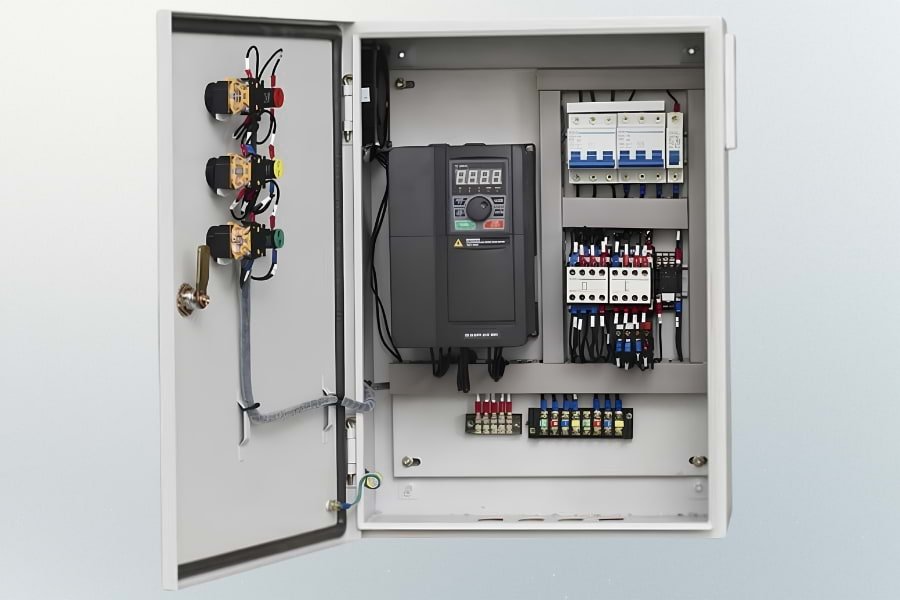
Resolving harmonic issues cannot be done with a one-size-fits-all fix. Mitigation must be built directly into the core engineering architecture of your VFD Panel and power distribution layout.
1. Input Line Reactors & DC Chokes
2. Multi-Pulse Rectifier Configurations
3. Broadband Passive and Active Harmonic Filters (AHF)
While passive L-C filters target specific harmonic frequencies, Active Harmonic Filters (AHF) act as real-time power purifiers. An AHF monitors the line current constantly and injects counter-phasing harmonic currents to instantly neutralize distortions as they occur, ensuring your facility remains fully compliant with IEEE 519 parameters.
Strategic Panel Isolation and Enclosure Thermal Management
Thermal Management Note: Because harmonic mitigation components like reactors, chokes, and active filters convert electrical distortions into physical heat, your Control Panel must be built with comprehensive thermal management. Ensuring proper ventilation, heavy-duty cooling fans, or industrial air conditioning units within an appropriately rated IP-enclosure prevents localized thermal runaway.
Deploy Vetted, Industrial-Grade Motor Control Infrastructure
Mitigating harmonics requires deeply precise, custom panel engineering. Installing unverified, generic control setups puts your multi-million rupee motor assets and factory production schedules at serious risk.
At Satya Electrical, we specialize in manufacturing heavy-duty, custom-configured VFD Panels, Feeder Sections, and CPRI-Tested Power Distribution Assemblies engineered specifically to manage and suppress harmonic distortion in rugged industrial environments.
Looking for a Reliable Electric Panel Manufacturer?
Connect with our panel engineering department today to request a technical consultation or secure an on-site power quality audit blueprint.

 Users Today : 3
 Users This Month : 103
 Total Users : 1316