
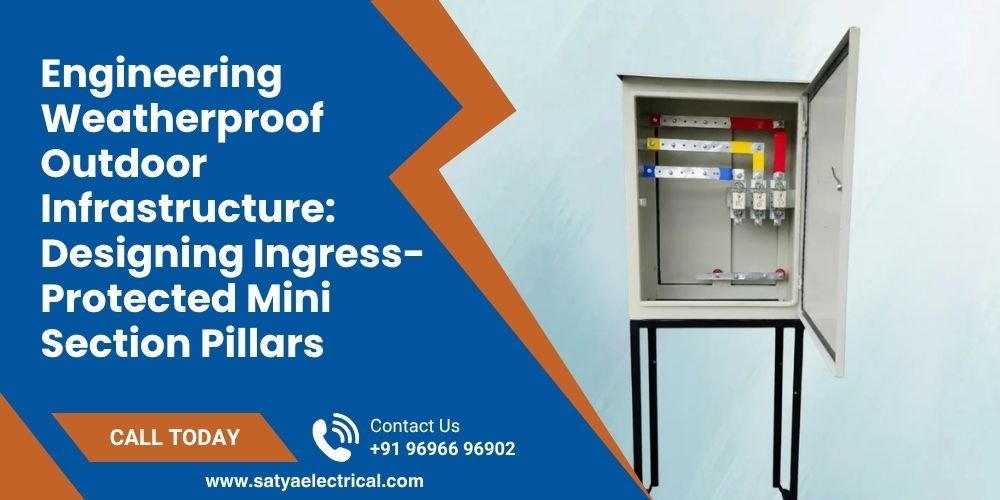
Deploying power distribution systems outdoors introduces a harsh set of environmental variables that indoor switchgear rooms never face. Mini Section Pillars and outdoor feeder boxes must operate continuously while exposed to blinding rain, high humidity, blowing dust, and intense solar radiation.
For electrical consultants, site contractors, and utility engineers, an outdoor panel failure isn’t just an inconvenience—it is a high-liability safety hazard that can cut power to entire industrial zones, residential grids, or street lighting networks.
To ensure uninterrupted service life, your outdoor distribution pillars must be engineered using strict mechanical and metallurgical protection protocols.
Deciphering Ingress Protection (IP) Ratings for Outdoor Enclosures
The first line of defense for any outdoor power node is its enclosure. Under IEC 60529 standards, Ingress Protection (IP) ratings define exactly how effective an electrical cabinet is against moisture and solid particles.
For true outdoor reliability, standard commercial-grade panel boxes are completely inadequate. Enclosures must meet heavy-duty classifications:
- IP55 Classification: Offers comprehensive protection against dust ingress (limited entry, no harmful deposits) and resists low-pressure water jets from any direction. This is the minimum baseline for standard sheltered outdoor installations.
- IP65 Classification: Provides a completely dust-tight seal and defends against low-to-medium pressure water streams, making it the ideal choice for exposed open-yard environments prone to torrential monsoons and industrial wash-downs.
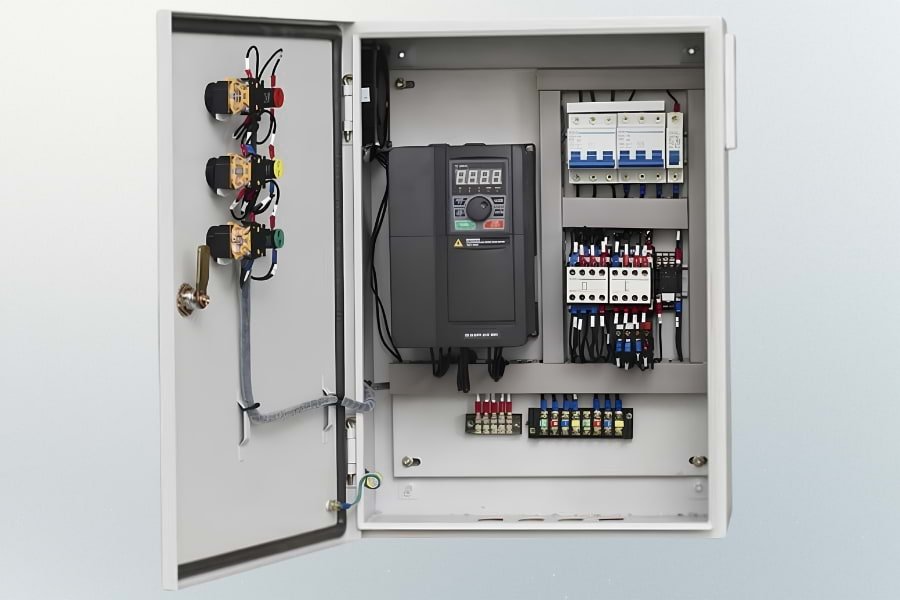
Critical Engineering Metrics for Mini Section Pillars
| Engineering Attribute | Technical Specification Requirement | Operational Purpose |
| Enclosure Material | Cold Rolled Close Annealed (CRCA) Steel / Galvanized Sheet | Prevents structural warping; provides heavy-duty physical impact protection. |
| Sheet Thickness | 14 SWG (2.0mm) or 16 SWG (1.6mm) | Ensures mechanical rigidity against wind loads and environmental wear. |
| Surface Treatment | Pure Polyester (PP) Powder Coating (70 to 90 Microns) | Protects underlying metal from UV degradation and chalking under sunlight. |
| Gasket Material | Continuous, Neoprene or EPDM Foam Gaskets | Maintains the IP55/IP65 airtight boundary around door jambs over decades. |
| Base Channel | Hot-Dip Galvanized ISMC Steel Channel Base | Prevents bottom rust from ground moisture, pooling rainwater, and wet soil. |
Busbar Chamber Layout and Electrical Safety Clearances
Inside the mini section pillar, the Bus Bar Chamber must handle high continuous currents without developing localized hot spots or short-circuit flashovers. Because humidity fluctuations outdoors alter air conductivity, physical space margins are vital:
- Air Clearance Mapping: Phase-to-phase and phase-to-earth clearances must strictly track international standards, providing a minimum of 25mm clearance in air for LT (Low Tension) systems.
- Busbar Insulation: Raw copper or aluminum bars should be completely enclosed in high-dielectric, flame-retardant heat-shrinkable PVC sleeving, color-coded (Red, Yellow, Blue) for clear phase identification.
- Vibration Resistance: High-tensile fasteners (Grade 8.8) paired with heavy-duty Nut Bolt Washers and spring washers must secure every connection. This setup resists the physical vibrations caused by nearby heavy traffic or industrial machinery, preventing joints from loosening over time.
Managing Thermal Loads: The Rain Canopy and Louver Dilemma
One of the biggest paradoxes in engineering an outdoor feeder pillar is balancing weatherproofing with heat dissipation. Internal transformers, switchgear, and fuses generate heat, while solar radiation warms the cabinet exterior.
To prevent thermal runaway without risking water ingress, quality manufacturers utilize a Double Roof / Canopy Design. The canopy slopes forward to shed rainwater rapidly, while integrated ventilation louvers sit tucked beneath the overhang.
These louvers are lined internally with micro-mesh wire filters, letting heat rise and escape naturally while keeping out insects, vermin, and wind-driven water drops.
Securing the Infrastructure Foundation
Field Installation Rule: When mounting heavy outdoor pillars or connecting incoming underground lines via overhead grids, ensure the entire structure is anchored firmly into a elevated concrete plinth using high-tensile Anchor Bullet Fasteners. This lifts the raw entry plate above puddles and keeps the enclosure plumb and secure.
Deploy Vetted Outdoor Distribution Infrastructure
Engineering weatherproof infrastructure demands field-tested manufacturing standards. Compromising on material thickness, gasket quality, or powder coating properties directly leads to moisture leaks, short circuits, and localized power failure.
At Satya Electrical, we construct high-performance, precision-welded Mini Section Pillars, Feeder Pillars, and Outdoor Distribution Boxes tailored to match your precise current capacity and IP environmental rating criteria.
Looking for a Reliable Electric Panel Manufacturer?
Connect with our panel engineering department today to request a technical consultation or secure an on-site power quality audit blueprint.

 Users Today : 4
 Users This Month : 104
 Total Users : 1317